
So, what even is the fascia?
Fascia is the connective tissue of the body, that connects and surrounds every cell in organs, bones and muscles. It serves a massive part in movement of the body, and there is constantly new research developing around this tissue. Fascia is very pliable, and it splits and realigns to lines of stress to help support the body function through simple or complex movements.
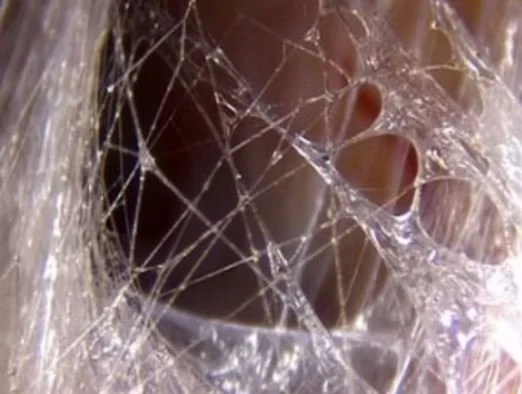
Photo from Dr. Guimberteau's filming of fascia
FAQs

-
Fascial Release is a manual therapy performed by therapists in order to improve flexibility, decrease tension/pressure in the body, and decrease pain. The technique is performed by using gentle or forceful pressure to challenge the fascia until a release is achieved.
-
Fascial release can have a profound effect on a person. Ranging from treating superficial issues, to long term trauma that has been stored in the body. With this in mind, there can be varying degrees of pain while the fascia is being released, but in general it is not a painful technique.
-
Fascial release treats the whole body, and depending on the amount of trauma that the body has received or how long there has been a dysfunction, it can take several sessions in order to fully restore the body to normal function.
-
There are not any current contraindications to receiving light touch fascial release. Some considerations are pregnancy, acute injury, connective tissue disorders, and fibromyalgia. Your therapist will take these in to consideration, and tailor the treatment to your specific needs in order to still achieve the release that you need.
-
Chronic back pain, frozen shoulder, plantar fasciatis, tension headaches, carpal tunnel, and many more.
Newest Research on Fascia
The Fasciacyte (new cell discovered)
https://pubmed.ncbi.nlm.nih.gov/29575206/
The Fascia and Therapeutic Intervention to improve performance
https://www.mdpi.com/2306-5354/10/4/474
General Nomenclature on Fascia
https://pmc.ncbi.nlm.nih.gov/articles/PMC10858998/